


Our Councils
Whatever goals brought you to the university, you’ll find an organization working toward the same thing. We have a range of groups dedicated to relationship-building, education, activism and more.

The Interfraternity Council is a student-led governing body that oversees IFC fraternities on campus. IFC works with its member fraternities to coordinate recruitment, leadership development, and to enforce common values, such as academic excellence, brotherhood, and ensuring a safe and positive experience for all members.
The Interfraternity Council is home to the following chapters
- Alpha Sigma Phi
- Delta Sigma Phi
- Delta Tau Delta
- Kappa Alpha Order
- Kappa Delta Rho
- Kappa Sigma
- Lambda Chi Alpha
- Phi Delta Theta
- Phi Gamma Delta
- Phi Kappa Sigma
- Phi Kappa Tau
- Pi Kappa Alpha
- Pi Kappa Phi
- Sigma Alpha Epsilon
- Sigma Chi
- Sigma Nu
- Sigma Phi Epsilon
- Theta Chi
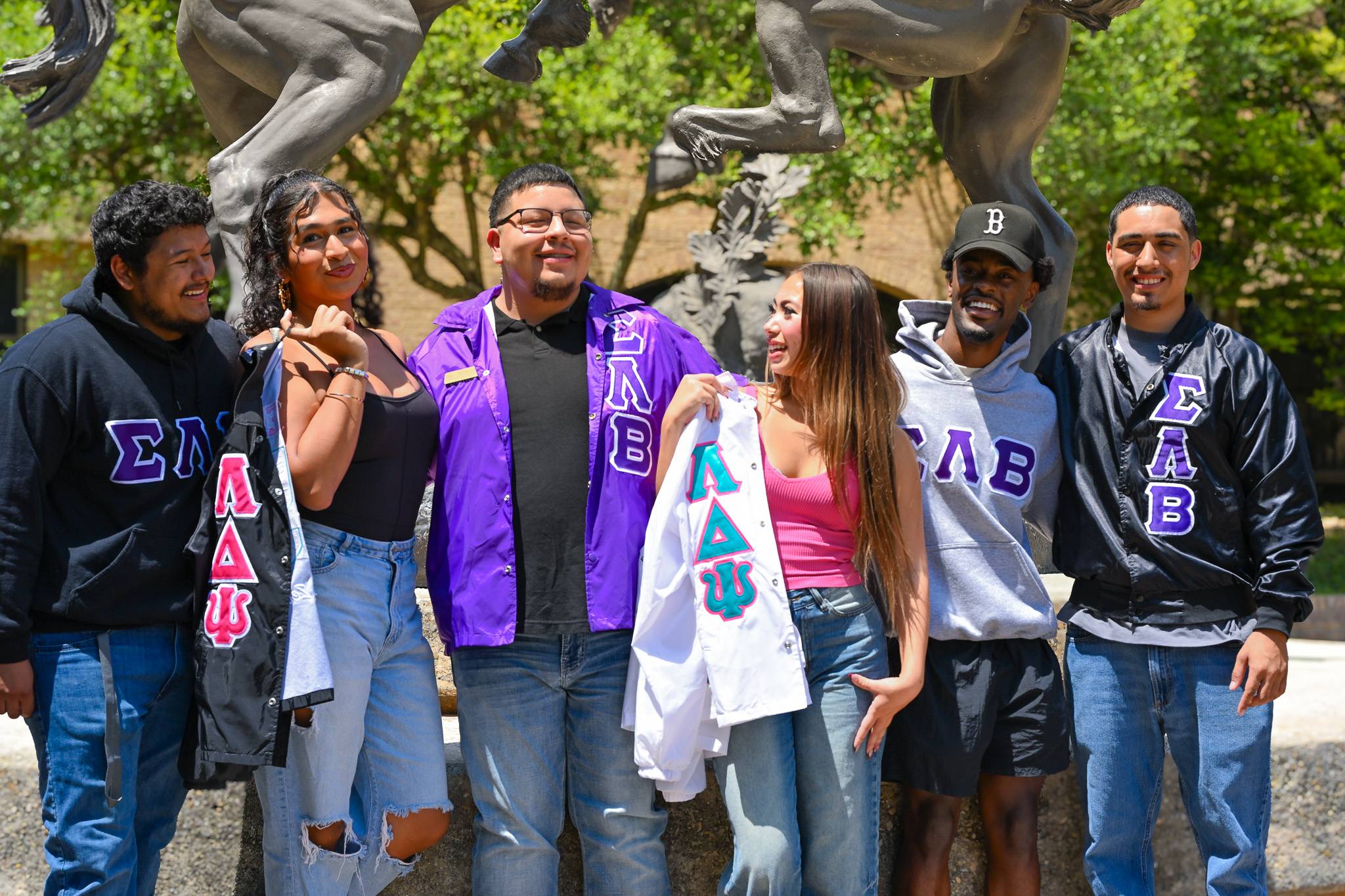
The Multicultural Greek Council (MGC) brings together culturally based fraternities and sororities to create a strong, supportive, and engaging community on campus. More than just a governing body, MGC sparks connection through recruitment, energizing social events, and impactful community service—while empowering members to grow as leaders and celebrate their unique cultures.
The Multicultural Greek Council is home to the following chapters
- Alpha Sigma Rho
- Kappa Delta Chi
- Lambda Delta Psi
- Omega Delta Phi
- Sigma Delta Lambda
- Sigma Lambda Beta
- Sigma Lambda Gamma
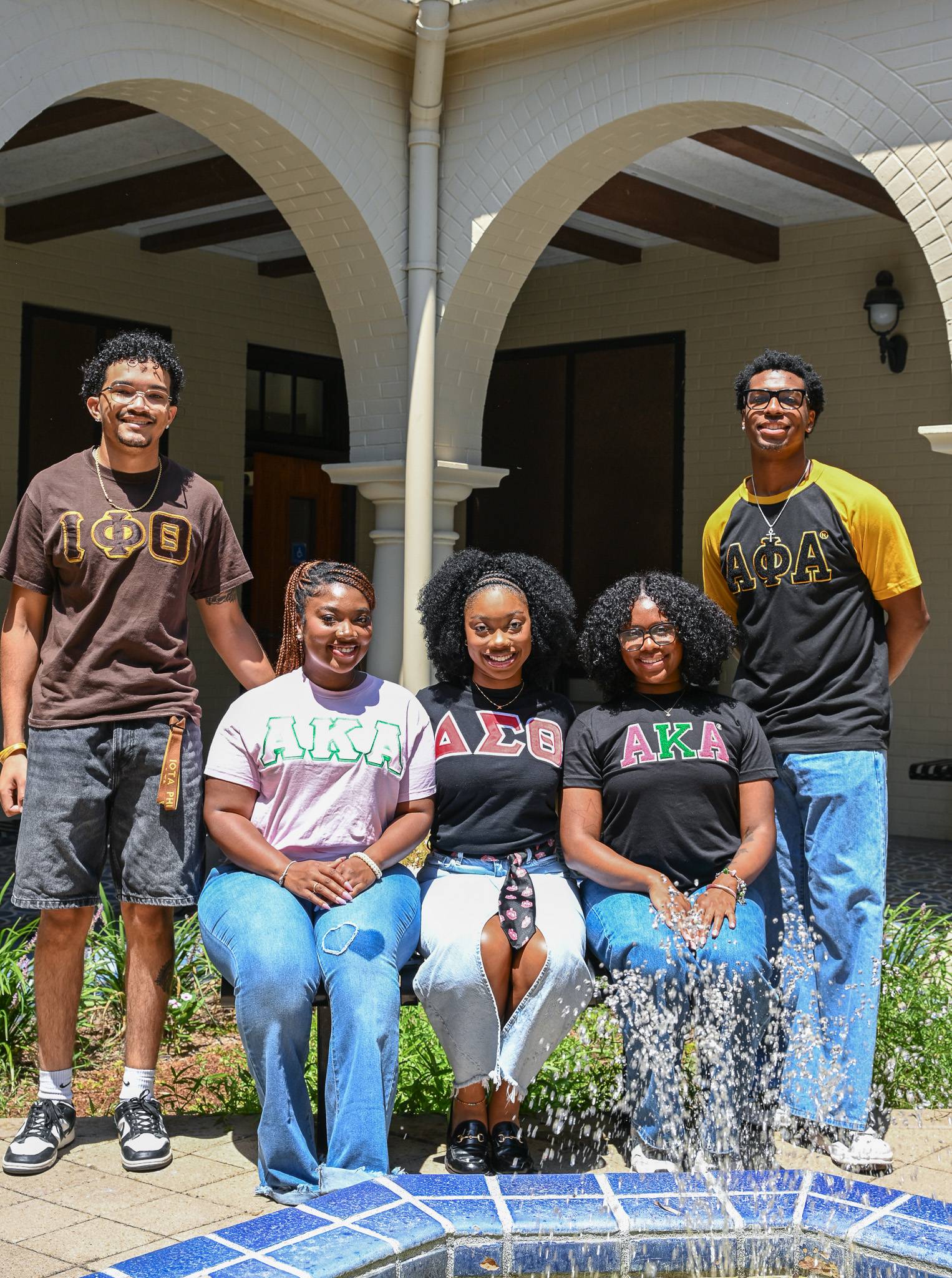
The National Pan-Hellenic Council (NPHC) serves as the coordinating body for the nine historically Black fraternities and sororities collectively known as the Divine Nine. NPHC supports collaborative programming, community engagement, advocacy initiatives, and partnerships that uplift communities across the United States and abroad. Guided by unity and purpose, NPHC remains committed to strengthening lives, honoring our legacy, and empowering future generations.
The National Pan-Hellenic Council is home to the following chapters
- Alpha Kappa Alpha Sorority, Inc.
- Alpha Phi Alpha Fraternity, Inc.
- Delta Sigma Theta Sorority, Inc.
- Iota Phi Theta Fraternity, Inc.
- Kappa Alpha Psi Fraternity, Inc.
- Omega Psi Phi Fraternity, Inc.
- Phi Beta Sigma Fraternity, Inc.
- Sigma Gamma Rho Sorority, Inc.
- Zeta Phi Beta Sorority, Inc.
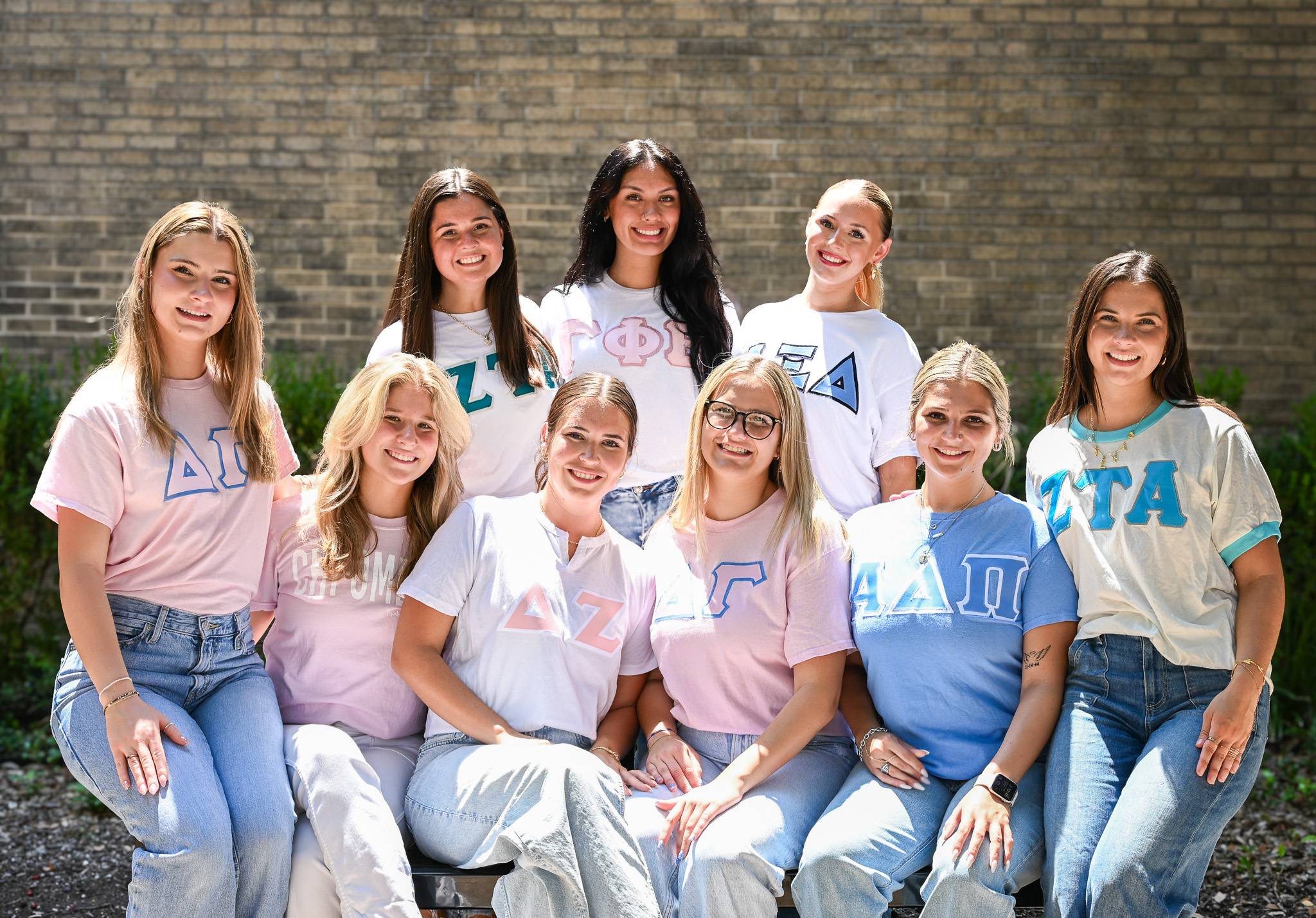
The Panhellenic Council is a collegiate chapter of the National Panhellenic Conference.
Panhellenic, as undergraduate members of women's fraternities, stand for good scholarship, for guarding of good health, for maintenance of fine standards, and for serving, to the best of their ability, college community.
The Panhellenic Council is home to the following chapters
- Alpha Delta Pi
- Alpha Gamma Delta
- Alpha Xi Delta
- Chi Omega
- Delta Gamma
- Delta Zeta
- Gamma Phi Beta
- Zeta Tau Alpha
Vocabulary and Terminology
-
Vocabulary and Terminology
-
Active / Initiate / Member
Active/ Initiate/ Member - Someone who has completed their New Member period, the associate/new member education program, or the membership intake process, and has been introduced to the ritual of the organization through initiation or other means, and is fulfilling academic requirements within an organization.
-
Bid
A written formal invitation extended to a Potential New Member (PNM) to go through the educational process set by either the national, international, or local governing body of the respective organization.
In the Panhellenic and IFC communities, potential new members are offered “bids” to join the organizations. These bids are invitations for membership.
-
Colony
A new/young organization that has not received a full charter from a national organization.
-
Cross/ Crossing/ Crossed
Utilized by the Multicultural Greek Council and National Pan-Hellenic Council
Term used to describe the point of the intake process when initiates officially become members.
-
Educational Process
A program designed to educate New Members about the history and internal functions of the organization, as well as the members role within the community. The process is created by either the national, international, or local governing body of the respective organization.
-
Fraternity
An organization that is based on fraternal values of Brotherhood/Sisterhood, Leadership, Scholarship, and Philanthropy. Traditionally fraternities have male membership; however, some early women’s organizations were referred to as "women’s fraternities" and continue to do so to this day.
-
Fraternity Formal Recruitment
A mutually selective process in which men may be invited back to various recruitment events generally held at the beginning of the Fall and Spring semesters by the Interfraternity Council and its respective member organizations.
-
Intake
Used by Multicultural Greek Council and National Pan-Hellenic Council
In culturally-based fraternities and sororities, intake refers to the process by which new members join.
It generally involves information meetings, an application, formal interviews, and an intensive education period.
If a cultural organization is open for intake, it will host an informational meeting near the start of the respective semester. If you have questions regarding whether a specific organization will be hosting a meeting, please reach out to our office.
-
Interfraternity Council (IFC)
The governing body for traditional fraternities associated with Texas State University, some of which are associated with the North American Interfraternity Conference. Included among its main responsibilities are conducting formal membership recruitment in both the fall and spring semesters. IFC also operates the student judicial system or "J-Board" for its member fraternities.
-
Legacy
To be a legacy means that you have an older family member who was/ is a member of a Greek organization.
-
Multicultural Greek Council (MGC)
The governing body for culturally based fraternities and sororities. The council serves as a coordinating body for all academic, social activities, workshops, seminars, and philanthropic work in which member fraternities and sororities are engaged.
-
National Pan-Hellenic Council (NPHC)
The governing body for all fraternities and sororities which are affiliated with the National Pan-Hellenic Council, Inc. The council serves as a coordinating body for all academic, social activities, workshops, seminars, and philanthropic work in which member fraternities and sororities are engaged.
-
New Member/ Associate Member/ Candidate for Membership
Someone who has been offered and accepted a bid (invitation to join), is fulfilling academic requirements within the organization, studies fraternity/sorority information, and is assessed fees by the local and/or (inter)national organization.
Refers to a student who has newly joined an organization.
-
Panhellenic Council
The governing body for all sororities and women's fraternities that are affiliated with the National Panhellenic Conference. The main role of the council is to coordinate and sponsor various educational and social programs. Their biggest event is Sorority Formal Recruitment held every August.
-
Potential New Member (PNM)
A term generally used by the Panhellenic Council and refers to any person interested in joining a fraternity or sorority.
-
Recruitment/ Intake
Student has expressed interest in becoming a member of a Greek letter organization and has attended at least one interest/information session.
-
Rush
Used by the Interfraternity Council
Refers to the period when IFC fraternities on campus host events for potential new members. They start open and progress to invite-only. Potential new members that connect well with a chapter may be offered a bid to join the organization.
Rush occurs at the start of the Fall and Spring semesters.
-
Sorority
A women’s organization that is based on the fraternal values of Sisterhood, Leadership, Scholarship, and Philanthropy. The first use of this term when referring to a women’s fraternal organization was in 1882; however, it did not gain popularity until the turn of the 20th Century.
-
Sorority Formal Recruitment
A mutually selective process in which women may be invited back for all four days of recruitment leading up to Bid Day generally held at the beginning of the Fall semester by the Panhellenic Council. This process is officially sanctioned by the Panhellenic Council.
Used by the Panhellenic Council.
Refers to the process where potential new members (PNMs) connect with the 8 chapters on campus. It is a mutual selection process where chapters accept new members to join their organization.
Primary recruitment is open in the fall. It is a formal multi-day process.
Spring recruitment is comprised of more casual events. Women can select which chapter to pursue directly.
-
Stepping and Strolling
Used by the Multicultural Greek Council and the National Pan-Hellenic Council
Stepping and Storlling are creative and artistic forms of expression and dance. They are deeply rooted in cultural identity, historic heritage, and Fraternity and Sorority tradition. The privilege to stroll/ step is reserved for initiated members of cultural organizations.
-
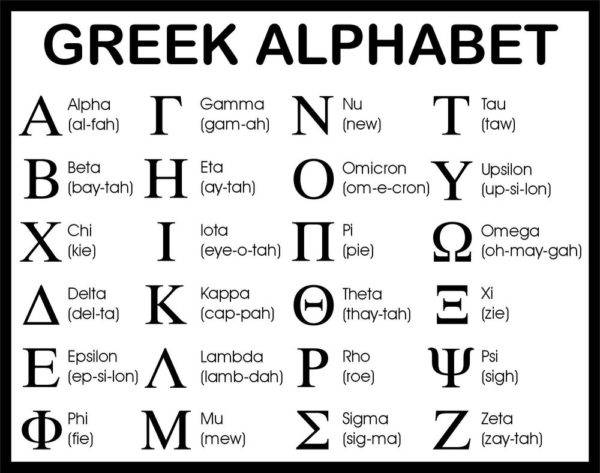
Greek Alphabet
Frequently Asked Questions
-
First Year Incoming Freshman
-
What organizations can I join right away?
The Panhellenic and Interfraternity councils are open to incoming students with zero credit hours. They both host recruitment processes that start during the first week of school.
The Multicultural Greek Council and National Pan-Hellenic Council require a minimum of 12 TXST credit hours, have individual GPA requirements, and community service requirements.
-
Is there early move in for recruitment/ rush?
No. None of the council recruitment/ rush processes begin before the first day of school.
-
Can I live greek housing as a freshman?
TXST freshmen are required to fulfill the live-in requirement if you are under the age of 20. This prohibits you from living with your potential organization until after your first year on campus.
-
-
Transfer/ Continuing Students
-
I am an affiliated member with an organization on TXST's campus, how to connect with the local chapter?
Welcome! We are excited to have you. Reach out to our office via phone or email and we will connect you directly to the chapter president to start your transfer process.
-
I am a sophomore/junior/ senior TXST student and didn't join greek life as a freshman, could I still join?
Absolutely. All of our councils are open to all student classification levels. It is not only for first-year students.
-
-
Finances and Membership
-
How much will joining cost?
The cost of membership varies from chapter to chapter. Typically, the first semester of membership will cost the most as it includes New Member fees that the chapter must pay to the inter/national headquarters. If the chapter owns a house, its dues may be higher as well. As your student moves forward with the recruitment/intake process, check with the respective councils for an up-to-date list of chapter dues and fees.
Please note that payments will only be conducted through official websites. At no point will a student need to directly pay another student outside of an official website.
-
What are the benefits of membership?
Leadership
The Greek organizations at Texas State are presented with many opportunities to learn leadership roles within the individual Greek organizations, executive boards, and councils. Texas State hosts several leadership events throughout the year focusing on the expansion of each Greek student’s potential and emphasizing the enhancement of their collegiate career.Brotherhood/Sisterhood
Joining a Texas State Greek organization and building close, long-lasting relationships within the Greek family! The Greek community solidifies lifetime bonds and establishes a sense of belonging away from home.Community Service
Giving to the community and charitable organizations is a top priority among the Greeks at Texas State! Besides contributing service time and money for those in need, Greeks also build connections within the community and the University in San Marcos. Many are involved and sponsor a variety of philanthropic events and activities, including blood drives, mentoring, runs/walks, and community clean-ups.Scholastic Support
The Texas State Greek community thrives on a Standard of Excellence and maintaining academic success is a must. Greek organizations on campus encourage academic success and offer a wealth of academic resources. Many Greek organizations help students by keeping track of study hours, holding a minimum GPA, and giving scholarships and awards for their members’ efforts.Networking
Joining a Greek organization will provide your student with many opportunities to build relationships with current members and alumni! All the networking possibilities can expand their career choices and increase their academic success.Social Involvement
Your student can start their Greek memories right now by participating in All Greek Events, Homecoming, formals, intramural sports, sorority/fraternity mixers, various retreats, co-sponsored programs, spring break trips and so much more with your organization! -
What is the time commitment?
Your time commitment will vary based on council and organization.
Expect the most significant time commitment to be during your new member education period, where you will receive specialized education unique to your organization.
Most members spend 5 to 10 hours per week on organizational obligations.
-
Is there a GPA requirement?
The minimum requirement to join any organization, per the Office of Fraternity and Sorority Life, is a 2.5.
Individual organizations may have higher requirements.
-
Who is in charge?
Student members elect their own officers who oversee the operation of the chapter on the college campus. The University requires all fraternities and sororities to have a Faculty/Staff Advisor to work with the chapter, this is in addition to an Alumni Advisor that is appointed by the organization's (inter)national office. The Fraternity and Sorority Life office also has five staff members who work with the chapters and their governing bodies to make sure they are getting the most from their experience in a safe manner.
-
Do chapters haze?
Texas State University, as well as the State of Texas, has zero tolerance for hazing. Reports of hazing are investigated through Student Involvement. Chapters found guilty of hazing may lose University recognition and their members may face possible legal ramifications.
-